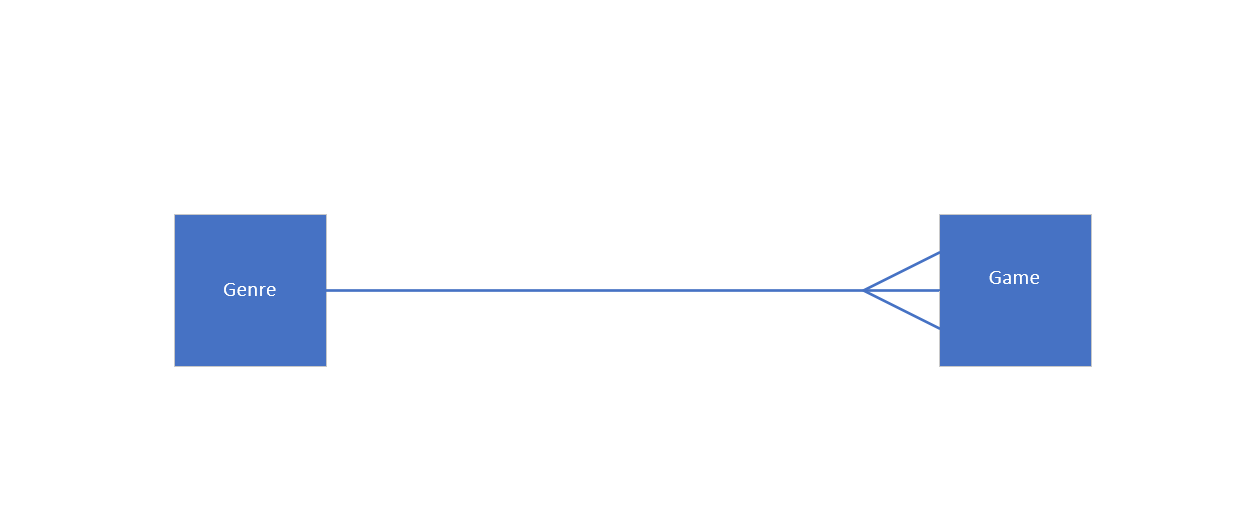
Conceptual Model




The Conceptual Data Model is the highest level of abstraction in data modelling. It focuses on identifying the most important entities (things of interest to the business) and the relationships between them, without delving into technical details. the Entities are given a name.
Value
- Business Understanding: It provides a high-level view of the data relevant to the business, making it easy for non-technical stakeholders to understand and validate.
- Scope Definition: It helps define the scope of the data project, ensuring all critical business data is considered.
- Stakeholder Alignment: It facilitates discussions and consensus among business users, ensuring the model accurately reflects business requirements.
- Foundation for Subsequent Models: It serves as the foundation for the logical and physical data models, ensuring consistency throughout the design process.
Example: In an e-commerce system, a conceptual model might show entities like "Customer," "Product," and "Order," with relationships indicating that a "Customer places an Order" and an "Order contains Products."
Sample model